
Home / The Journal / Why our edging snaps, not stakes
Behind the scenes
Why our edging snaps, not stakes
July 20, 2026
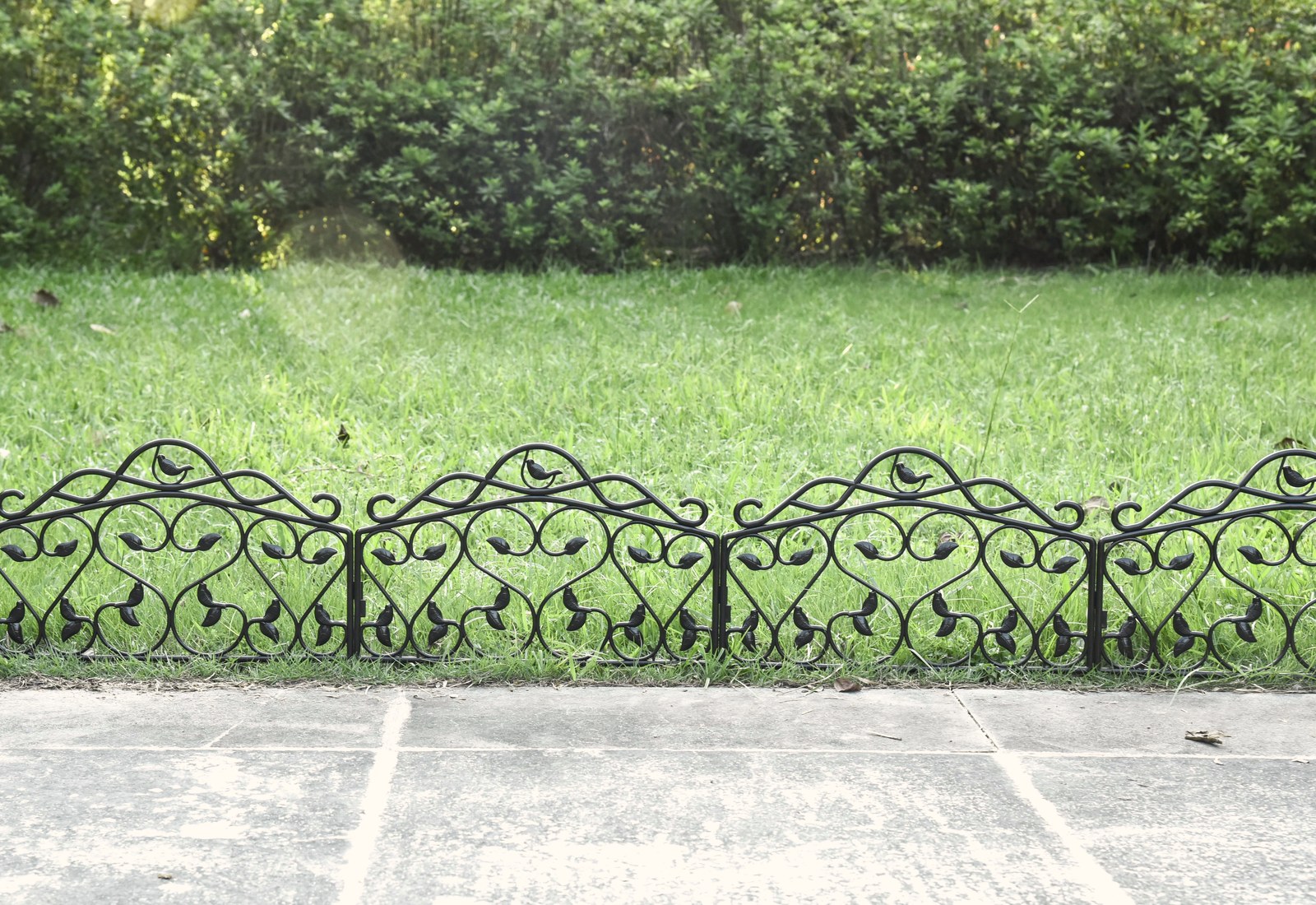
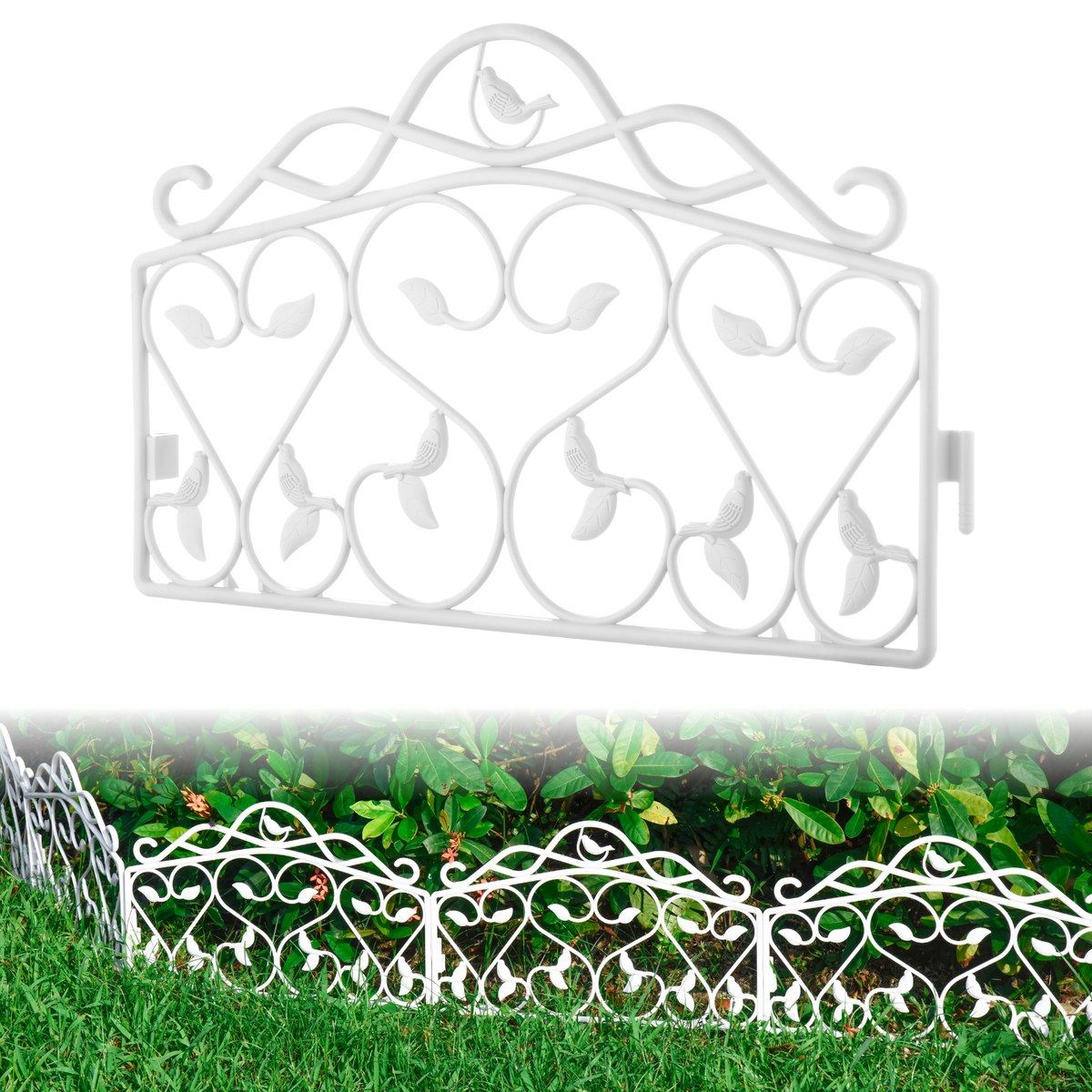
Our edging snaps panel-to-panel because a border should hold its line as one piece, not as a row of separately staked sections each defending its own foot of ground. When every panel is joined to its neighbours, the whole run shares every load — a mower wheel, a winter heave, a dog with an opinion — and nothing stands alone. That is the small mechanical decision the rest of the collection is built around.
The trouble with stakes
Edging that relies on independent stakes fails the way fences fail: one post at a time. Each section holds only as well as its own grip on the soil, so the section in the damp corner leans first, the one by the path follows, and by August the line has a history written into it. Gaps open between pieces, spacing drifts, and straightening one section just moves the argument next door. Nothing breaks, exactly. The border simply stops agreeing with itself.
What the snap changes
A snap-fit joint makes the connection between panels the strong point instead of the weak one. Panels click together by hand — no tools, no mallet beyond a firm press — and the joint fixes their spacing permanently, because it was decided at the factory rather than by whoever is kneeling in the mulch. Each panel still presses into soil on integrated spikes, but the spikes only have to hold the border down; the joints hold it together. It is also why kits mix so freely: a 20-foot and a 35-foot Fleur-De-Lis kit, or SemiArc's 20 and 40, join into one continuous line with no adapters and no odd pieces.
The spikes only have to hold the border down; the joints hold it together.
And when you change your mind
A joined border leaves the way it arrived: as a run, not a scavenger hunt. Lift it out before the ground freezes and it stacks flat in the shed, where the UV-stable resin waits without rusting, warping, or asking to be repainted. Re-draw the bed in spring and the same panels snap back into the new line. A stake commits you to a spot. A snap commits the panels to each other — and leaves the spot up to you.
From the collection